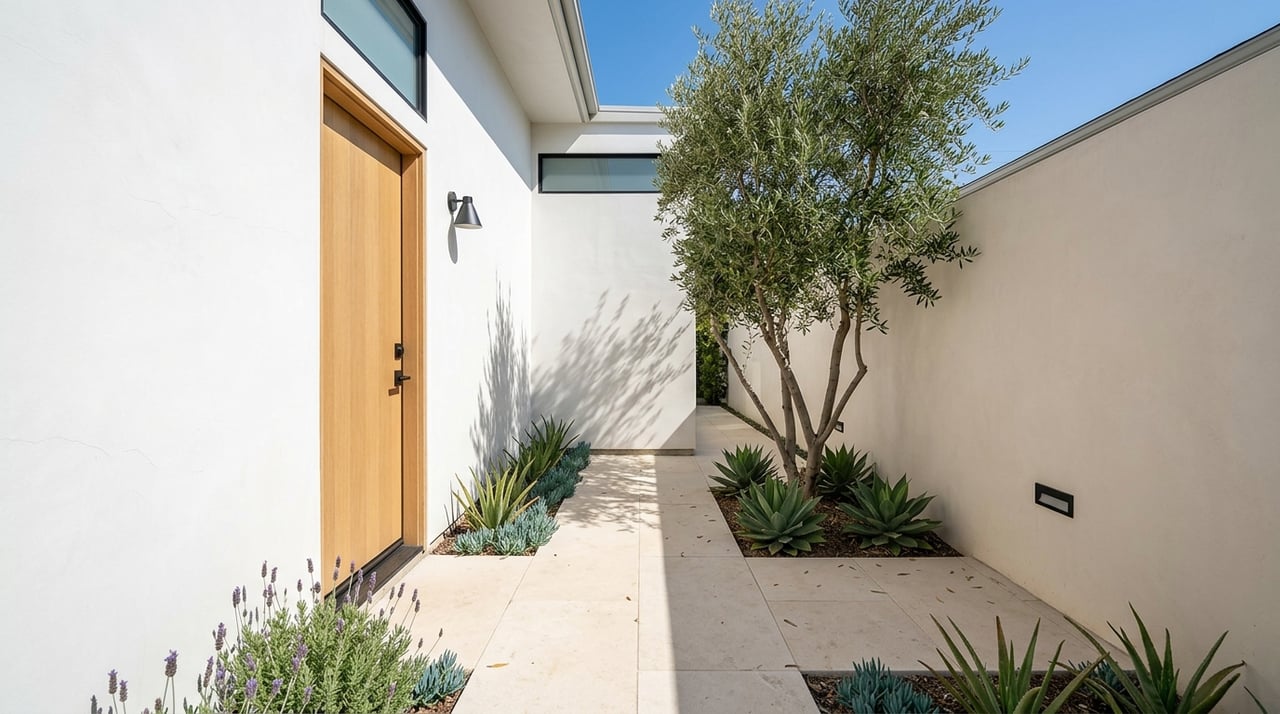
If you are thinking about buying a rental property in Oceanside, the opportunity is real, but so is the need for careful due diligence. Oceanside gives you a rare mix of coastal demand, inland value pockets, and steady renter activity, which can make it appealing whether you are focused on long-term income or future appreciation. The key is knowing that in this market, the wrong parcel can change your strategy fast. Let’s dive in.
Why Oceanside draws rental buyers
Oceanside stands out because it offers both lifestyle appeal and practical rental demand. According to Realtor.com’s Oceanside market snapshot, the city had a median home sale price of $849.5K and a median rent of $3.2K as of February 2026.
That citywide view only tells part of the story. Oceanside includes distinct areas like Downtown, Mid-District, South O, and Inland Valley, as outlined by Visit Oceanside’s neighborhood guide. For rental buyers, that means your results can vary widely depending on whether you buy near the coast or farther inland.
HUD’s 2024 housing market analysis also points to a major source of local rental demand: Camp Pendleton. The same analysis reported an apartment vacancy rate of 4.5% in Q2 2024, up from 3.8% a year earlier, which suggests demand remains meaningful even as vacancy has loosened somewhat.
Match your strategy to the parcel
In Oceanside, your investment plan should start with the property itself, not just the neighborhood name. A beach-close condo with HOA restrictions will underwrite very differently from an inland single-family home with no HOA and room for a long-term rental plan.
That matters because Oceanside is not a market where every property works for every rental strategy. Based on the city’s price and rent spread, plus local zoning and short-term rental rules, some properties are better suited for appreciation and premium rents, while others may offer a cleaner path to monthly cash flow.
Understand Oceanside rental rules first
Verify zoning at the parcel level
Before you rely on rental income projections, confirm the property’s exact zoning and regulatory overlays. Oceanside provides a Land Use & Zoning GIS Map Viewer, Coastal Permit & Appeal Jurisdiction Map, and zoning resources that can help you verify how a parcel is classified.
This is especially important near the coast. The city’s Coastal Zone includes all property from the inland side of Coast Highway to the Pacific Ocean, plus certain areas near the San Luis Rey River, Loma Alta Creek, and Buena Vista Lagoon. In some cases, coastal-zone actions may also be appealable to the California Coastal Commission.
Review HOA rules separately
If you are buying a condo, townhome, or planned development, HOA review is not optional. Oceanside’s short-term rental page makes clear that the city does not enforce private CC&Rs, so you need to review those documents independently.
California law adds another layer. Civil Code 4740 limits how an HOA can retroactively prohibit rentals for some owners, while Civil Code 4741 allows associations to restrict short-term rentals of 30 days or less and limits certain rental caps. In practice, HOA rental limits, leasing minimums, parking rules, and short-term rental language can shape the deal just as much as city zoning.
Know the short-term rental rules
Oceanside defines a short-term rental as a legally permitted dwelling unit, or part of one, rented for no more than 30 consecutive days. Under the city’s official short-term rental rules and FAQ, hosted STRs are allowed in all zoning districts, but non-hosted STRs in residential zoning districts outside the Coastal Zone are prohibited.
There is another important detail for buyers. Permits issued outside the Coastal Zone before February 10, 2024 can continue only if they stay in good standing, and they are not transferable to a new owner. That means you should never assume a seller’s past STR use will carry over after closing.
The city also notes that once a pending Local Coastal Program Amendment is certified, coastal-zone restrictions will include a 480-permit cap for non-hosted STRs west of Coast Highway and a ban on new non-hosted STRs in the R-1 Zone. If you are buying with an STR plan in mind, this is a parcel-by-parcel review, not a neighborhood-level shortcut.
Factor in fees and operating rules
If you plan to pursue a short-term rental where allowed, include the city’s requirements in your underwriting. Oceanside’s STR operations FAQ states that permits are generally required, the annual permit fee is $250, the inspection fee is $207, TOT is 10%, and OTMD is 1.5%.
The city also sets an overnight occupancy limit of two adults per bedroom plus two additional people per unit. Tenants may not operate a dwelling unit as an STR, and STRs are prohibited in mobile home parks and non-conforming panhandle lots. These details can materially affect your projected revenue and management plan.
ADUs can help, with limits
For many buyers, an ADU can improve long-term rental flexibility. Oceanside’s ADU guidelines allow ADUs and JADUs to be rented only for terms longer than 30 days, and they cannot operate as short-term rentals.
There is an even more important rule for some buyers. If an ADU was permitted on or after September 9, 2017, neither the ADU nor the primary residence can be used as an STR. If you want a property that leaves the door open for future vacation-rental use, you need to verify permit history before you buy.
What returns look like today
Oceanside can be attractive, but it is not a simple high-yield market. San Diego County multifamily reports from Northmarq and other market sources in the research show cap rates generally landing in the mid-4% range during 2025, with sales often trading in the low-4% to low-5% range.
That backdrop helps explain why underwriting discipline matters. Using Realtor.com’s citywide median rent and median sale price, Oceanside’s rough gross rent-to-price ratio is about 4.5% before expenses. That is not the same as a cap rate, but it does show why many properties, especially near the coast, need careful assumptions around taxes, insurance, HOA dues, maintenance, and vacancy.
Compare Oceanside neighborhoods
Downtown Oceanside
Downtown Oceanside appeals to buyers who want coastal location, walkability, and strong renter interest. Visit Oceanside describes it as the beach-and-pier core, while Realtor.com reports a median rent of $4,500 and a median listing price of $1,274,500.
That works out to a rough gross rent-to-price ratio of about 4.2% before expenses. Downtown can be compelling if you value location strength and leasing appeal, but it is not typically the part of Oceanside buyers choose for lower acquisition costs.
South Oceanside
South O is one of the city’s premium coastal pockets. Visit Oceanside’s South O overview highlights its beaches, coffee shops, vintage retail, and Buena Vista Lagoon setting, while Realtor.com shows a median rent of $5.3K and a median listing price of $1.65M.
Its rough gross rent-to-price ratio is about 3.9%. For many buyers, South O is more about long-term location strength and premium positioning than immediate yield.
San Luis Rey
If your goal is a more attainable entry point, San Luis Rey deserves attention. Realtor.com’s San Luis Rey market page shows a median listing price of $695K and a median rent of about $3.0K.
That implies a rough gross rent-to-price ratio of about 5.2%. Compared with coastal submarkets, San Luis Rey may offer a better path for buyers who want monthly numbers that are easier to justify.
North Valley
North Valley is another inland area worth evaluating closely. According to Realtor.com’s North Valley data, the area had a median sale price of $800K and a median rent of $3.5K.
That puts its rough gross rent-to-price ratio around 5.3%, the strongest of the neighborhoods covered in this research. If you are weighing cash flow first, North Valley is a useful benchmark.
Fire Mountain
Fire Mountain can be appealing from a location standpoint, but underwriting should be more conservative. Realtor.com’s local market page tied to this area shows a median listing price of $1.55M and relatively thin rental-data depth.
When public rental data is limited, it becomes even more important to review HOA constraints, parking, and any coastal regulatory considerations. In neighborhoods like this, the investment story can hinge on details that are easy to miss in a listing description.
A simple Oceanside due-diligence checklist
Before you remove contingencies, confirm the items that most often change the investment thesis:
- Exact zoning designation
- Coastal Zone status
- HOA CC&Rs and rental restrictions
- STR permit history, if relevant
- ADU or JADU permit dates
- Parking requirements
- Whether the property type triggers added operating requirements
For larger residential rental properties, there is one more operational detail to know. Oceanside’s FAQ states that rental properties with five or more units require a business license.
Should you buy for long-term or short-term use?
For many buyers, long-term rental use is the simpler and more predictable path in Oceanside. It avoids the added uncertainty of STR permits, transient occupancy taxes, inspection requirements, occupancy limits, and changing coastal-zone rules.
That does not mean short-term rentals never work. It means you should treat STR feasibility as property-specific and verify every assumption before you write an offer. In Oceanside, the parcel usually matters more than the marketing language.
The bottom line on buying in Oceanside
Buying a rental property in Oceanside can make sense, but the best opportunities usually come from matching the right property to the right strategy. Coastal areas may offer premium rents and strong long-term appeal, while inland neighborhoods often show better rent-to-price efficiency. The smartest move is to underwrite conservatively, verify every rule that affects use, and focus on a property whose zoning, HOA terms, and permit history support your plan.
If you want local guidance as you evaluate Oceanside investment opportunities in the broader North County market, connect with The Houston Team. You will get founder-led insight, strategic support, and a clear approach to finding the right fit for your goals.
FAQs
What makes Oceanside attractive for rental property buyers?
- Oceanside combines coastal demand, a broad range of price points, renter demand tied in part to Camp Pendleton, and different submarkets that can support either appreciation-focused or cash-flow-focused strategies.
What should you verify before buying a rental property in Oceanside?
- You should confirm zoning, Coastal Zone status, HOA rules, short-term rental permit history if applicable, ADU permit dates, parking requirements, and whether the property has five or more units that would require a business license.
Are short-term rentals allowed for all Oceanside properties?
- No. Oceanside allows hosted STRs in all zoning districts, but non-hosted STRs in residential zoning districts outside the Coastal Zone are prohibited, and other parcel-specific rules may also apply.
Can an HOA restrict rentals in an Oceanside property?
- Yes. HOA rules can limit leasing terms, cap rentals, regulate parking, and restrict short-term rentals, so you need to review CC&Rs separately from city rules.
Do ADUs increase rental flexibility in Oceanside?
- ADUs can support long-term rental income, but Oceanside requires ADUs and JADUs to be rented for terms longer than 30 days, and certain ADU permit dates can also restrict STR use for the primary home.
Which Oceanside neighborhoods may offer better rent-to-price efficiency?
- Based on the research provided, inland neighborhoods like San Luis Rey and North Valley show stronger rough gross rent-to-price ratios than beach-close areas like Downtown Oceanside and South Oceanside.